Preserving Nature: The Critical Role of Wildlife Protection in Property Administration
Preserving wildlife within property management is increasingly recognized as an essential component of responsible development. It not only fosters ecosystem stability but also improves community health and welfare. As property managers adopt wildlife-friendly practices, they can profoundly affect local biodiversity and ecosystem conservation. Yet, the key question persists: what particular methods can be applied to effectively support these goals? Examining this subject uncovers both challenges and opportunities for both property managers and local communities.
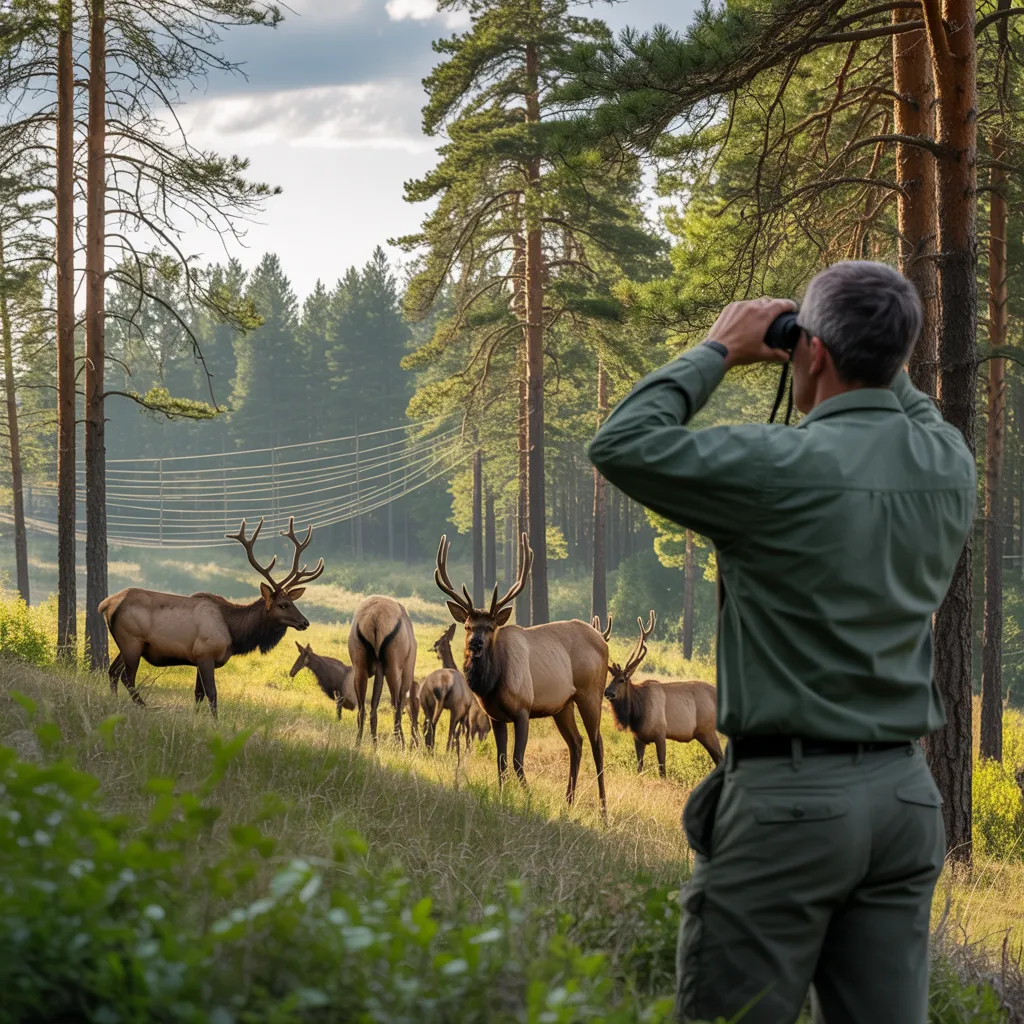
Why Wildlife Conservation Is Essential in Property Management
While property management tends to emphasize human requirements and growth, understanding the importance of wildlife protection is crucial for sustainable practices. Animals and plants serve a vital function in maintaining ecological balance, playing a part in natural processes like pollination, seed dispersal, and pest control. Disregarding these elements can result in negative impacts, including habitat degradation and reduced biodiversity.
Moreover, embedding wildlife protection into the management of properties can improve community well-being. Green spaces foster mental health and deliver recreational opportunities, while thriving ecosystems can increase property values. Regulations and policies focused on safeguarding wildlife also cultivate a culture of responsibility among property managers, encouraging sustainable stewardship.
At its core, understanding the deep connection between the activities of people and wildlife conservation is of critical importance. By championing wildlife protection, property management not only maintains natural habitats but also promotes long-term sustainability, guaranteeing that both current and future generations can benefit from a balanced and thriving environment.
What Local Ecosystems Expect From Us
Local ecosystems demand active participation and deliberate management to prosper, as they face numerous challenges from urbanization and climate change. To support these ecosystems, it is essential to copyright biodiversity by safeguarding native species and their habitats. This involves creating corridors that connect fragmented environments, allowing wildlife to move freely and adapt to changing conditions.
In addition, reducing pollution and managing waste effectively can considerably improve the health of local soil and water quality. Community participation and educational initiatives play essential roles in cultivating a spirit of stewardship among community members, prompting them to take part in conservation efforts.
Additionally, supporting sustainable land use practices confirms that progress does not negatively impact essential environmental processes. By focusing on these priorities, neighborhoods can establish a balanced relationship with their environment, eventually resulting in improved environmental conditions that benefit both wildlife and human populations.
Proven Methods for Creating Wildlife-Friendly Properties
Developing wildlife-friendly properties demands a forward-thinking strategy, as careful planning and stewardship can significantly improve habitats for a wide range of species. Property owners can initiate efforts by planting native flora, which supply sustenance and cover for native species while needing reduced care and water resources. Creating water elements, such as garden ponds or bird baths, promotes the prosperity of numerous species.
Additionally, decreasing the usage of herbicides and pesticides is essential, as these compounds can harm wildlife and beneficial insects. Utilizing natural landscaping techniques, such as building brush piles or preserving fallen logs, provides supplementary habitat.
Additionally, placing birdhouses and bat boxes can aid local bird populations and insect-eating bats, facilitating pest management. As a final measure, maintaining open spaces facilitates wildlife movement, limiting habitat fragmentation. By implementing these approaches, land managers can create environments that foster biodiversity while improving the overall ecological well-being of their properties.
Engaging the Community in Wildlife Conservation
Involving the public in wildlife conservation is crucial for building a mutual sense of stewardship. Public discover this participation programs, including educational workshops and events, can effectively raise awareness and promote active participation. These programs not only strengthen regional awareness but also reinforce the relationship between locals and the natural world around them.
Community Outreach Initiatives
Community involvement programs serve a vital function in wildlife conservation, building a culture of joint stewardship among community members. By including local participants in conservation efforts, property managers can develop grassroots responsibility for natural environments. Efforts often feature volunteer programs for habitat restoration, resident-led wildlife observation initiatives, and collaborative conservation planning. These initiatives not only support biological richness but also strengthen community ties, as neighbors unite around mutual conservation aims. Moreover, incorporating community participation enables varied viewpoints, making certain that wildlife initiatives reflect both cultural values and ecological needs. Ultimately, by empowering individuals to take an active role in wildlife protection, neighborhoods can develop lasting habitats that serve both people and nature.
Learning Workshops and Events
Educational workshops and events serve as a powerful avenue for enhancing wildlife conservation efforts within communities. These programs enable knowledge sharing, equipping participants with essential information about local biodiversity and the significance of ecosystems. By involving community members in interactive activities, such as environmental restoration or wildlife monitoring, these programs cultivate a feeling of stewardship and accountability towards native wildlife. Partnerships with conservation groups and specialists additionally strengthen the experience, offering participants practical skills and resources. Additionally, workshops can address pressing issues like environmental threats and habitat degradation, inspiring meaningful community engagement. Overall, these educational programs not only increase awareness but also inspire community members to engage significantly in conservation and wildlife preservation, guaranteeing a thriving future for both the environment and surrounding communities.
How Wildlife Preservation Elevates Property Value
Animal habitat preservation programs have the potential to significantly boost property value by fostering more attractive landscapes. These programs help develop sustainable ecosystems, which in turn attract a rising consumer interest for green residential environments. As properties become increasingly appealing to buyers, their commercial viability increases, leading to higher valuations.
Improved Visual Appeal
A flourishing habitat can greatly improve the visual attractiveness of a property, making it highly desirable to prospective purchasers. Homes that incorporate wildlife-friendly features, such as indigenous flora and wildlife sanctuaries, often display vibrant landscapes that captivate onlookers. The presence of birds, butterflies, and other wildlife cultivates a lively atmosphere, enabling residents to connect with nature. This inherent charm not only captivates but also promotes a sense of tranquility and well-being. Additionally, residences that champion wildlife protection often demonstrate a commitment to environmental stewardship, attracting eco-conscious buyers. Ultimately, elevated visual charm through wildlife protection can considerably increase property value, making it a sound investment for estate stewards aiming to attract quality-focused purchasers.
Sustainable Environmental Benefits
Embedding wildlife protection into property management not only elevates the aesthetic value but also fosters a sustainable ecosystem that can considerably enhance property value. By establishing habitats for indigenous species, properties can improve biodiversity, which supports healthier ecosystems. This ecological balance helps maintain soil quality, water resources, and natural pest control, decreasing the need for chemical treatments. Moreover, properties that emphasize wildlife protection often draw in environmentally conscious buyers, boosting marketability. Green spaces and natural features can lead to increased recreational opportunities, further elevating a property's desirability. Ultimately, the incorporation of wildlife protection into property management not only preserves natural resources but also functions as a strategic investment, leading to greater property appreciation over time.
Growing Market Demand
As property managers grow more aware of the significance of wildlife protection, the market demand for environmentally friendly properties keeps growing. This expanding recognition aligns with the growing consumer preference for sustainable living, where purchasers actively look for properties that emphasize environmental responsibility. Properties adopting wildlife-friendly measures not only boost biodiversity but also draw in eco-conscious tenants and buyers. Research indicates that such properties often command higher rental rates and resale values, as they are viewed as increasingly desirable investment options. Additionally, adhering to wildlife protection regulations can reduce risks linked to potential fines or legal disputes, thereby strengthening market appeal. As a result, incorporating wildlife protection practices serves as a strategic method for boosting property value while benefiting the ecosystem.
Effective Efforts in Wildlife Conservation
Despite the fact that many real estate management firms center their efforts on revenue generation, accomplished ecological protection initiatives confirm that sustainable land management can work alongside business objectives. Several businesses have incorporated environmentally conscious methods that benefit both wildlife and property values. For instance, the implementation of ecological passageways in residential projects permits fauna to prosper while elevating the scenic value of developments.
Furthermore, certain companies engage in environmental restoration efforts, which not only maintain local ecosystems but also attract sustainability-minded tenants. Integrating green spaces and indigenous plant arrangements further supports ecological diversity, appealing to an expanding audience passionate about eco-friendly practices.
Additionally, educational initiatives focused on local residents nurture a sense of communal accountability regarding regional wildlife, fostering active stewardship. Such programs illustrate that weaving the protection of wildlife into real estate management can improve a business's reputation and profitability, ultimately demonstrating that environmental and economic goals are entirely compatible.
Frequently Asked Questions
Which Legal Regulations Apply to Wildlife Protection in Property Management?
Numerous regulatory laws, comprising the Endangered Species Act and the Migratory Bird Treaty Act, regulate the safeguarding of wildlife in property administration. These laws require property administrators to ensure that habitats are protected and maintained and that species remain unharmed throughout the development process.
How Are Property Owners Able to Identify Local Wildlife Species?
Property owners can recognize native wildlife by carrying out field surveys, referencing local wildlife databases, partnering with wildlife conservation organizations, and using species identification mobile applications, enhancing their understanding of the biodiversity present on their property.
What Are the Economic Benefits of Wildlife-Friendly Properties?
Eco-friendly properties frequently draw in eco-conscious buyers, increasing the worth of real estate. Furthermore, these properties may qualify for potential tax incentives and increased tourism revenue, encouraging environmentally responsible methods that protect native environments while providing economic advantages to estate holders.
What Ways Can Property Managers Stay Current on Wildlife Protection Practices?
Property managers can keep current with wildlife protection practices by taking part in workshops, subscribing to relevant journals, completing online courses, joining professional associations, and working alongside environmental organizations to access the latest research and guidelines.
In What Ways Do Native Plants Support Wildlife Conservation?
Native vegetation acts as vital habitats and nutritional resources for regional wildlife, fostering biodiversity. They support pollinators, provide shelter, and strengthen ecosystem resilience, thereby contributing to the overall health and sustainability of surrounding natural environments.